DAVID

BLACK.
Founder and performance marketing operator. Twenty-five years learning what creates growth, what destroys margin and what still works when pressure increases.
Business first.
Marketing second.
David works on acquisition economics, paid media, conversion, measurement and the decisions around where more capital should, or should not, go. The platform is rarely the first question.
“Paid acquisition became the lever used to scale businesses. It was never the business itself.”
The useful work starts with the economics, the customer journey, the capacity to fulfil demand and the point where control has been lost.
The useful parts.
Not a life story. The sequence that shaped how David makes commercial decisions now.
Small business becomes real.
College and university ran alongside a computer repair business across Central Scotland, followed by work as a network field engineer. Pricing, cash flow, expectations and delivery stopped being theory.
Ownership built the leverage.Technician to operator.
A network installation and support company became the next lesson. One business was acquired. A second was sold. Technical ability was useful, but expertise alone could not create controlled growth.
Operator thinking started here.PureRapid begins in Glasgow.
PureRapid Websites and Online Marketing opened in Glasgow city centre. Demand generation became the central discipline and the first Rapid Group company was established.
Demand control became a business discipline.Volume exposes the truth.
Affiliate marketing expanded across UK, European and US brands. PureRapid grew into a Meta and Google Ads partner. Some offers scaled. Others broke under pressure.
Systems replaced tactics.Leadership under pressure.
The pandemic brought major disruption while PureRapid entered one of its fastest growth phases. The operation had to keep working when the conditions around it did not cooperate.
A system is only useful under pressure.Beyond one place.
Client accounts and owned ecommerce businesses were operated internationally while structure, governance, revenue and profit continued to move forward and tracked client revenue passed £500M.
Less dependency on location and personality.More choice.
The direction is deliberately selective: grow owned ecommerce interests, work with established operators where the problem is commercially meaningful and keep increasing independence from any single client, platform or channel.
More control. Fewer unnecessary commitments.Repeated exposure changes judgement.
The numbers matter because scale, failure, recovery and compounding create pattern recognition that theory cannot.
Context, not a promise of future performance. Revenue and ROAS are not the same as net profit.
Control before more activity.
The strongest move is often not another campaign. It is fixing the condition that makes additional demand expensive, volatile or hard to fulfil.
Find the real commercial constraint before selecting the service, platform or tactic.
Protect margin, conversion, sales handling and fulfilment before increasing exposure.
Capital goes where performance remains legible under pressure, not where a dashboard briefly looks exciting.
A good system should become less reliant on one person, supplier, channel or platform over time.
Find the real commercial constraint before choosing the work.
What I do.
What I don’t.
David designs, pressure-tests and scales acquisition systems for established operators. The clearest fit is a business where paid acquisition already works but growth has become noisy, fragile or difficult to interpret.
The work
- Commercial diagnosis
- Acquisition architecture
- Capital allocation
- Pressure-testing growth
- Selected private advisory
The boundaries
- No broken businesses
- No replacement for leadership
- No demand manufactured for weak offers
- No guaranteed outcomes
- No dependency sold as value
Distinct responsibility.
Commercial direction and operational delivery are connected. They are not the same job.
Commercial direction.
Acquisition economics, paid media, conversion, measurement and deciding where more capital should, or should not, go.
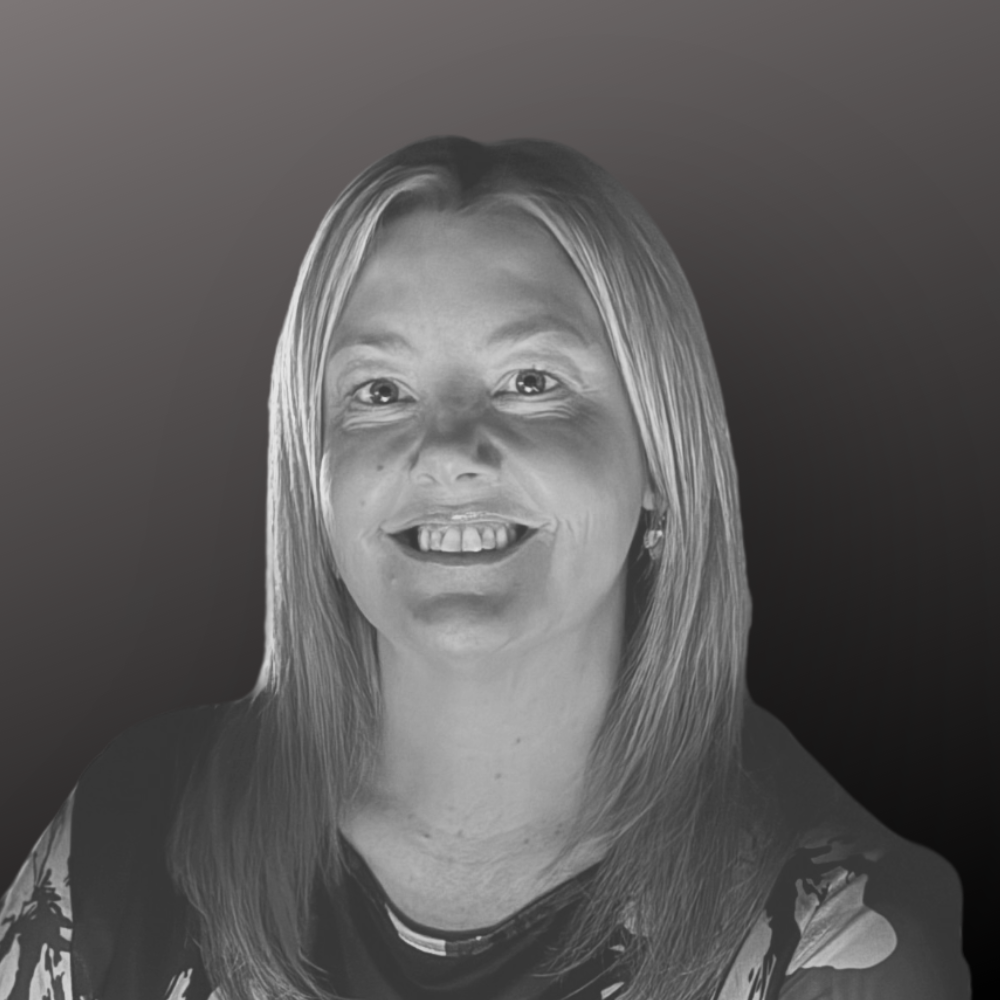
Operations.
People, workflow, capacity, quality control and the operating systems that make delivery hold together.
View KatieIf the problem is real, the numbers will show it.
Bring the commercial context, the constraint and what has already been tried. We will tell you where we think the useful work starts.
Start with the numbers